
Farcana
165K+ Registered Players
Featured
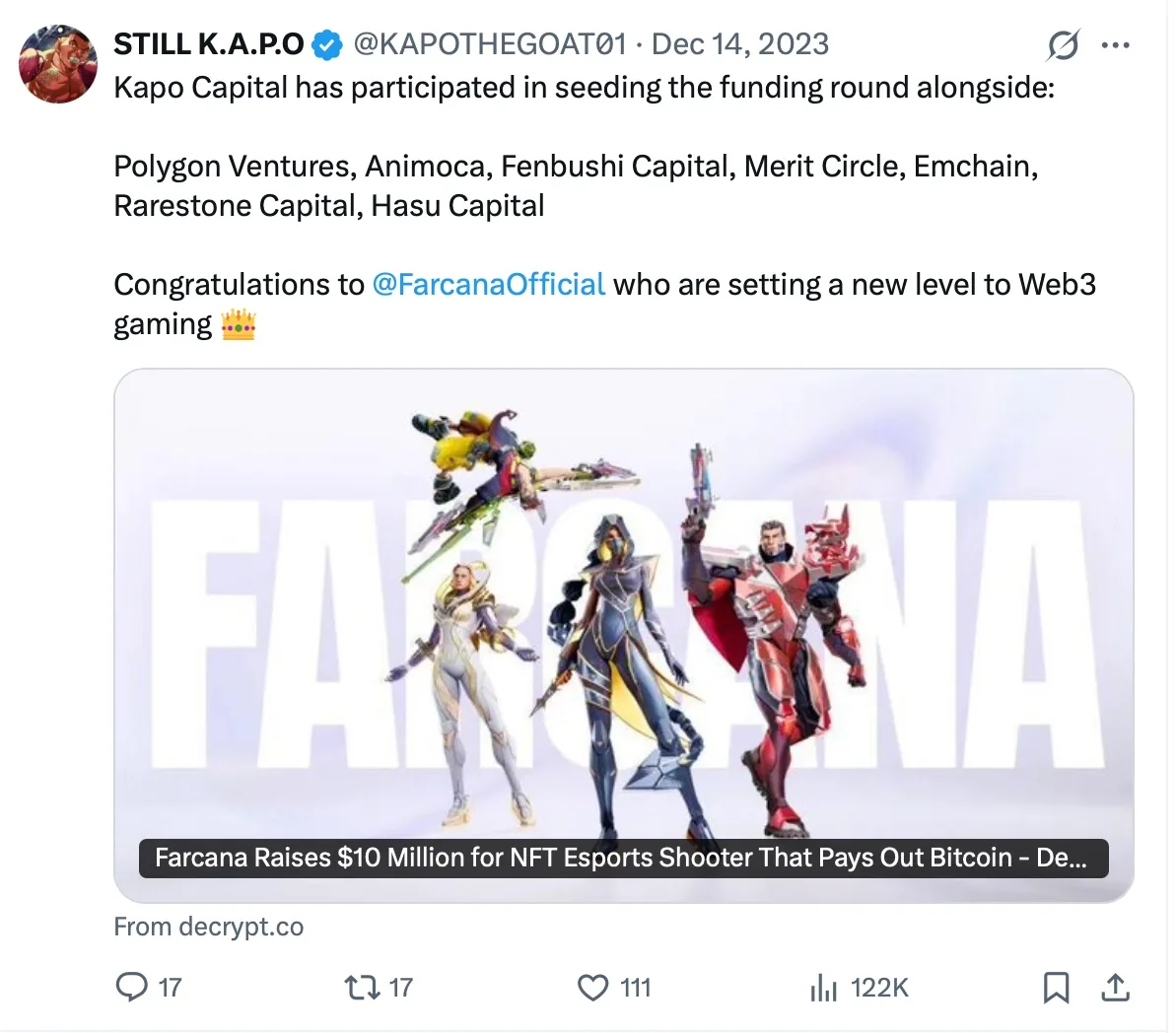

Swipe for all 3 receipts →
Triadxyz operates as a strategic partner to leading Layer 1s, DeFi protocols, AI infrastructure networks, and Web3 platforms. We don't advise from the sideline, we embed, co-build, and deploy capital alongside the teams shaping the future.

The first multidimensional gas fee blockchain, rewriting blockchain economics with programmable blockspace, token-agnostic gas, and application-layer sovereignty.
View Case Study →Multi Asset Investment Vehicle, democratising access to institutional-grade capital markets by bridging DeFi with traditional finance through tokenised financial agreements.
View Case Study →An AI-native operating system for private rounds, where founders and investors source, structure, close and govern in one room. Every deal arrives through a vetted curator. Triadxyz sits on the curator side.
View Partnership →Strategic advisory on AI-integrated scaling solutions across zkEVM and PoS networks.
Coming Soon →Engineering support for custom subnet deployment and AI-driven consensus optimisation.
Coming Soon →Advisory on cross-chain data infrastructure and AI-oracle integration patterns.
Coming Soon →Capital deployment and GTM support for AI×DeFi applications on Orbit and Stylus.
Coming Soon →Engineering collaboration on decentralised AI model storage and compute marketplace.
Coming Soon →Strategic advisory on NEAR's AI-first thesis and chain abstraction tooling.
Coming Soon →Capital deployment for ZK-based AI privacy applications and verifiable compute.
Coming Soon →Execution support for consumer-facing AI applications and agent deployment.
Coming Soon →Selected work from the Triadxyz pipeline. Every metric below is verifiable on-chain or on X. No vanity, no inflation.

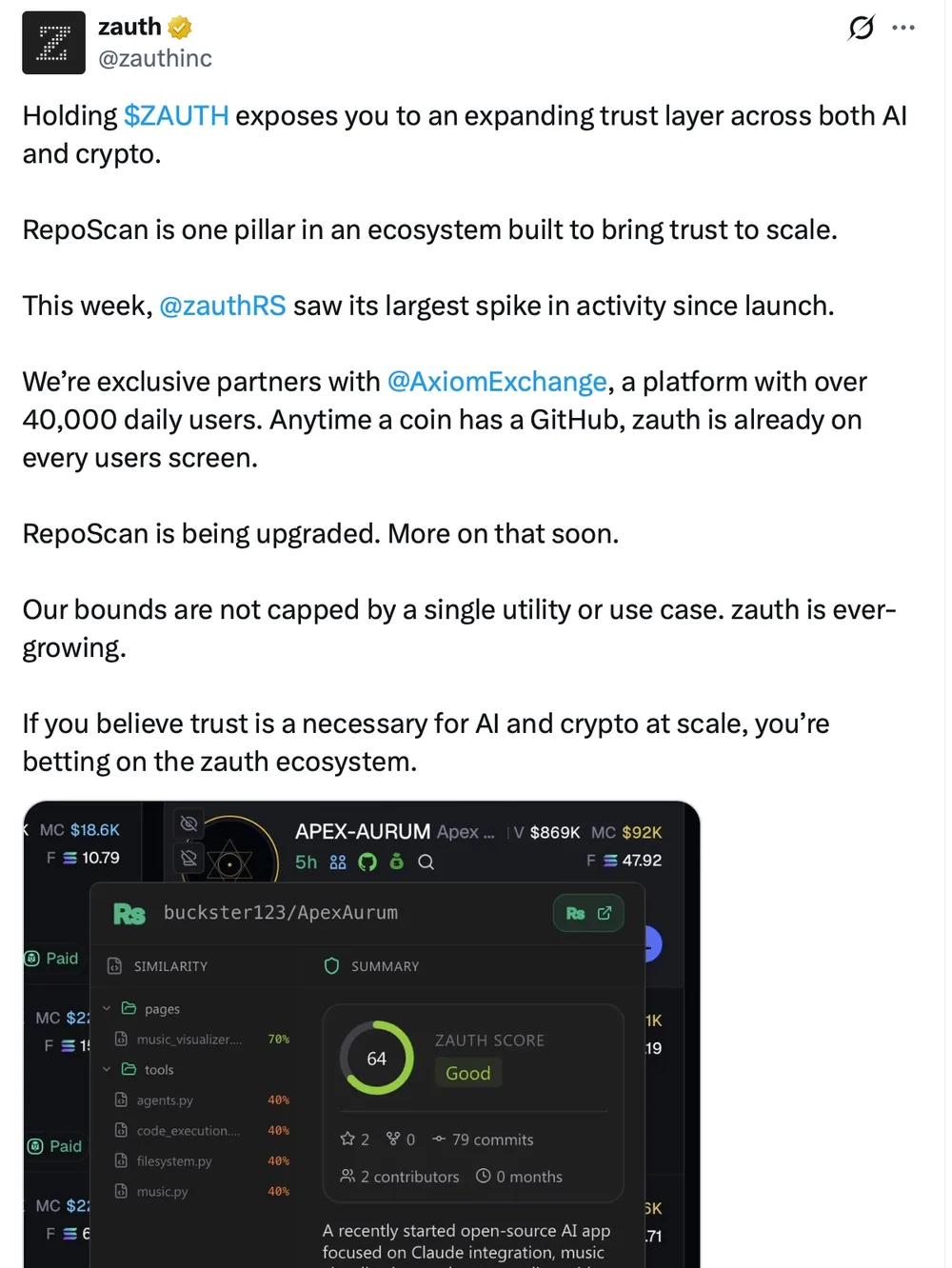
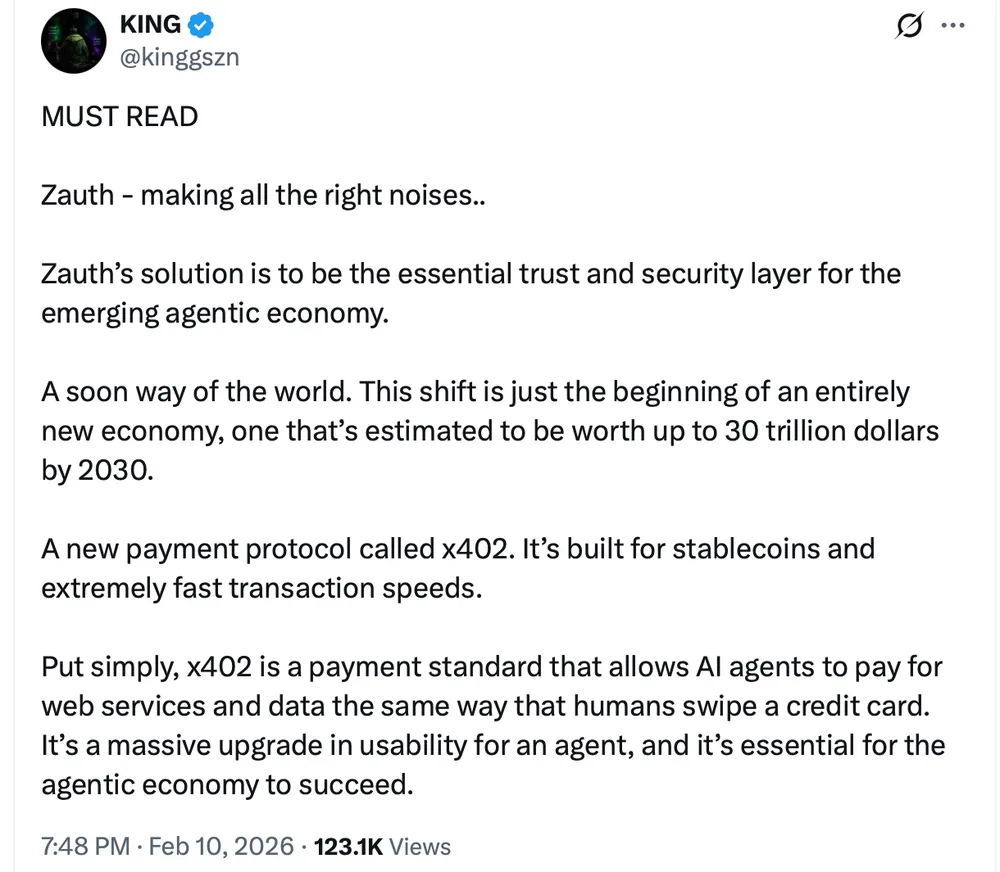

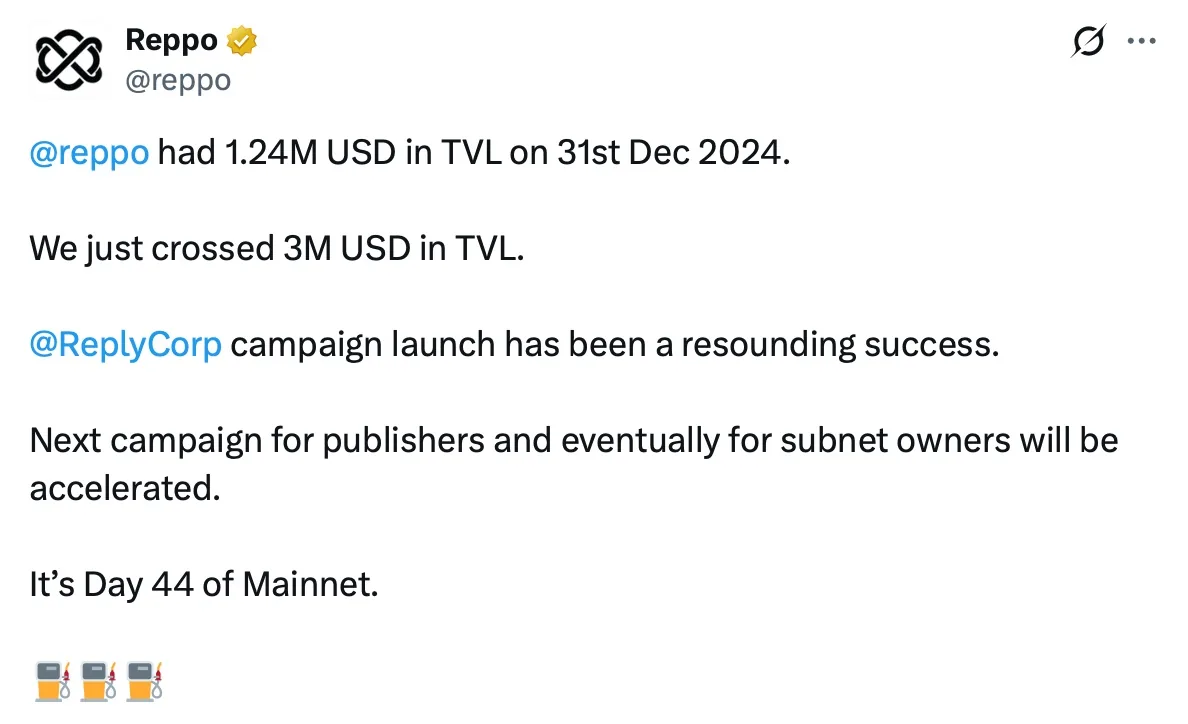
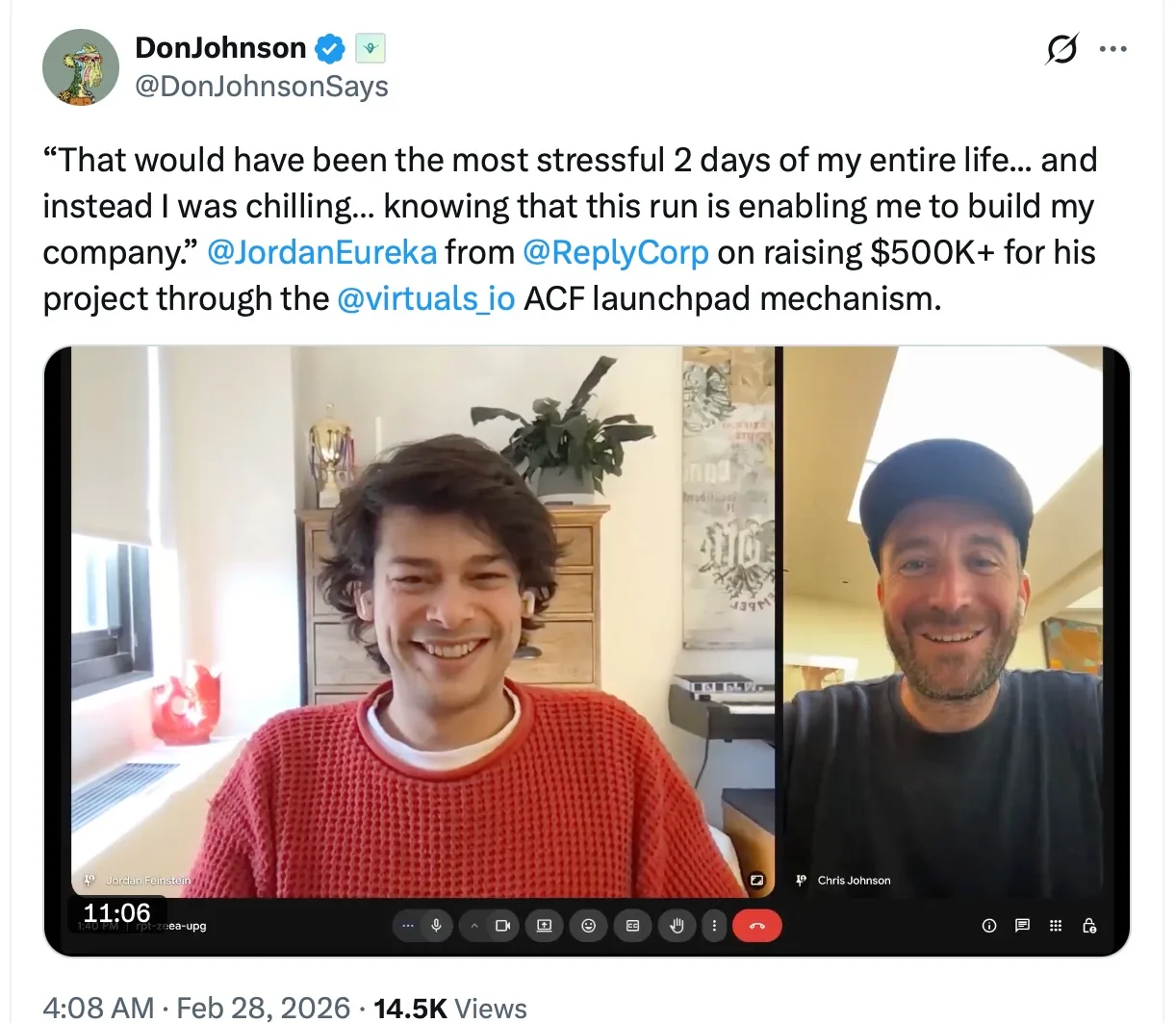
All metrics verifiable on X. Diligence requests welcome at editor@triadnetwork.xyz. See the full creator network →
Where the industry argued this year, what it argued about, and what each room said about where capital and attention were actually moving. We read these as they happened, and they shape what we tell clients to build toward.

Hong Kong used the stage to bid for Asia’s regulated hub status. Chief Executive John Lee promised the first stablecoin issuer licences within a month; the Financial Secretary simultaneously signalled only a small number would be granted, restricted to applicants with real use cases. It ran four days after a 15% single-session Bitcoin crash, so the institutional confidence on stage sat against visible panic in the market.

The clearest measurable evidence that the builder economy had contracted. Side events fell from 668 the previous year to roughly 215, and the hackathon prize pool dropped from about $1.03m to $132,000. What budget remained concentrated almost entirely in AI — Sentient’s parallel Open AGI Summit was at times busier than the official main venue.

The year the mining industry publicly stopped being a mining industry. With Bitcoin near $79,000 against roughly $110,000 at the previous edition, and public miners’ Q1 cash cost reported at about $79,995 a coin, the economics had inverted. CleanSpark led its booth with “Optimizing Power Intelligence”; Bitdeer’s banner read “Bitcoin mining & AI Cloud.”

The year crypto changed customer. JPMorgan held one of the largest booths on a floor that also carried S&P Global, DTCC, Mastercard, PayPal and Swift — nine years after its chief executive called Bitcoin worthless. Tokenised equities and stablecoin payment rails had replaced token sales, and the live argument was whether the industry had won by bending.
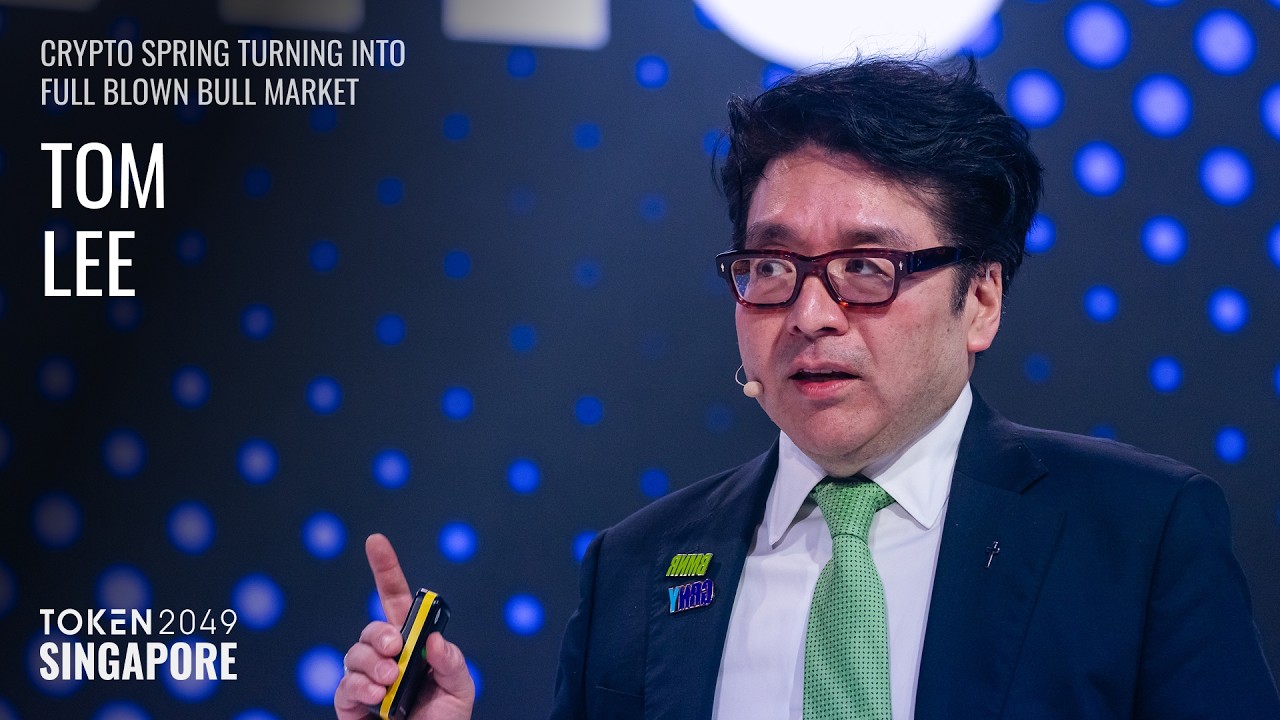
The largest crypto event of the year, and the AI-agent economy’s coming-out party — questioned from its own stage. Arthur Hayes launched FLOP, a payment network for AI agents, arguing agent commerce would drive blockchain payment demand. Hyperliquid’s Jeff Yan pushed back on the framing entirely. No speaker claimed agents were moving meaningful volume yet.

Ethereum reframed its roadmap around two threats — AI and quantum — and around India as its next developer base. Justin Drake warned that AI could break existing asymmetric encryption before quantum computers mature, turning post-quantum work from a distant hedge into a near-term deadline. Buterin’s answer for the base layer was deliberately conservative, hash-based cryptography.
Triadxyz neither organised nor sponsored these events. Figures are as reported by organisers and contemporary trade press; Consensus Miami attendance is disputed between the organiser’s 20,000 and a floor estimate of roughly 15,000, and Devcon has published no final count. TOKEN2049 Dubai was postponed to 2027 and is not included.
Talk to us about 2027 →